
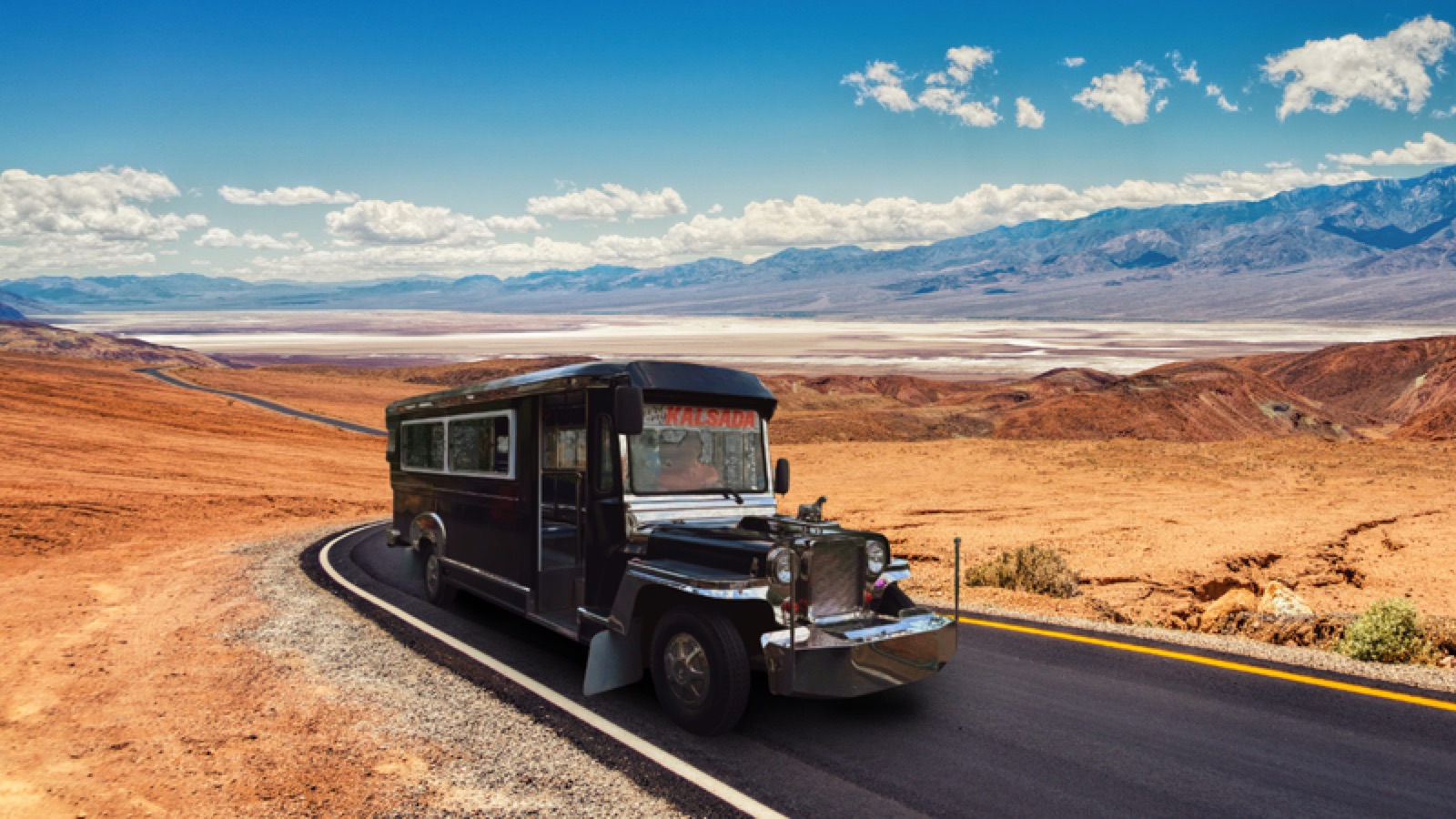
Francisco Motors • Since 1947
80 Years to the Future
From the original King of the Road to a new global mobility operating system. Since 1947, Francisco Motors has moved generations of Filipinos. Today, we are transforming that legacy into electric vehicles, hydrogen systems, AI-powered fleets, smart financing, insurance, and renewable-powered transport hubs.
The Origin
Built from Filipino ingenuity, not startup theater.
Francisco Motors was born from practical engineering, public transport necessity, and Filipino creativity. The company did not begin with a pitch deck. It began with machines, metal, labor, service, and streets full of real passengers.
-
1947
The King of the Road begins
Brothers Anastacio, Fernando and Jorge Francisco pioneered the jeepney to rebuild the country's public transportation after World War II, starting from a small Las Piñas workshop with ₱200. Francisco Motor Corporation was born.
-
1960
Industrialization
Francisco Motor Corporation became the Philippines' distributor and assembler of Isuzu, mass-produced brand-new jeepneys, and built the majority of the jeepneys in the country. It also pioneered Filipino vehicles such as the PINOY, the Harabas and the Anfra.
-
1970
Mazda and the PINOY
Assembly and distribution of Mazda began, running from 1970 to 1998. In the 1970s Francisco Motors also manufactured and distributed the PINOY AUV (Asian Utility Vehicle).
-
1980
The Anfra AUV
The Anfra AUV went into manufacture and distribution, used by utility companies and government agencies, and stayed in production into the late 1990s.
-
1984
Strong through the 1984 recession
Francisco Motors stayed strong after the 1984 recession, and later came through the Asian financial crisis.
-
1987
Expansion
Francisco Motors became country distributor of Mahindra and Daye, built armored trucks for banks and military vehicles, and exported jeepneys to Sierra Leone.
-
Late 1980s
The first full-electric Francisco Jeepney
The family built the first full-electric Francisco Jeepney and Anfra utility vehicles, with lead-acid deep-cycle battery prototypes rolling through Las Piñas, long before electric vehicles went mainstream.
-
1989 – 1990
Hyundai and Fiat
Francisco Motors distributed Hyundai from 1989 to 1998 and Fiat from 1990 to 1994. In the 1990s it also began exporting passenger jeepneys to neighboring countries for public mass transportation.
-
1992
A new generation at the wheel
Elmer Francisco became Chief Operating Officer of Francisco Motor Corporation, a role he held until 2009, overseeing jeepney manufacturing and research and development of electric vehicles.
-
1995
Pope Mobile and APEC
Francisco built the Anfra-based Pope Mobile used by Pope John Paul II during World Youth Day in Manila, and was a major sponsor of the 1995 APEC Summit. Francisco-built vehicles became part of national moments, strengthening the brand's cultural and institutional trust.
-
1998
The Ford and Mazda dispute
Ford took controlling shares of Mazda and stopped supplying Mazda components to Francisco Motor Corporation, despite an exclusive contract valid until 2002. Production of the Anfra and the Francisco Passenger Jeepney stopped, and the company took its complaint to the Board of Investments, with about 5,000 employees affected.
-
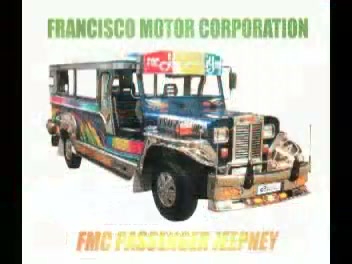 May 2008
Corporate history on film
Francisco Motor Corporation's corporate history video features founder Anastacio Francisco, the plant and assembly line, and the FMC Passenger Jeepney.
Watch the video → -
2018
Electric modernization
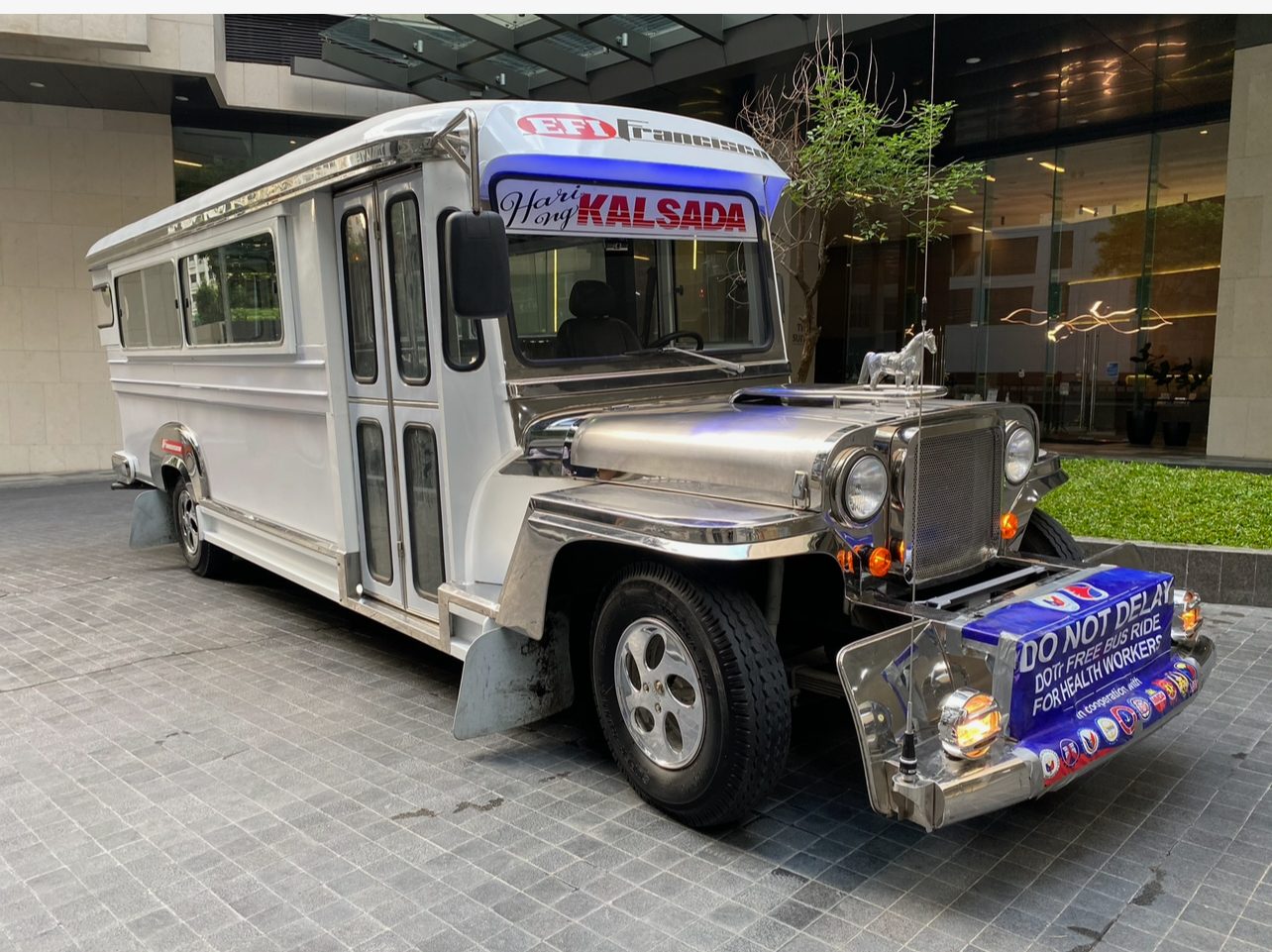
The modernized Francisco Jeepney was electrified, showing that the legacy vehicle could evolve into clean mobility.
-
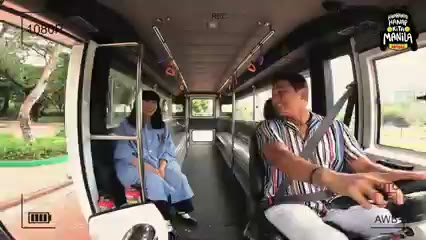 Dec 2020
On screen in “Manila”
Gary Valenciano drove the Francisco Jeepney in the “Manila” music video for the Department of Tourism’s Manila heritage concert, with Elmer Francisco Industries as jeepney sponsor.
Watch the video → -
2002 – 2022
The revival years
Answering the call for climate change mitigation, Francisco Motors electrified iconic Filipino vehicles: the Jeepney™, the owner-type jeepney and the PINOY Transporter, with provisions for hydrogen fuel-cell technology. eFMC was incorporated to spearhead the jeepney modernization program, and the PINOY eVTOL entered its prototyping stage. The Electric Vehicle Industry Development Act of 2022 became the green light for the modern lineup: JEEPNEY™, PINOY, KIDLAT and DOMENG®.
-
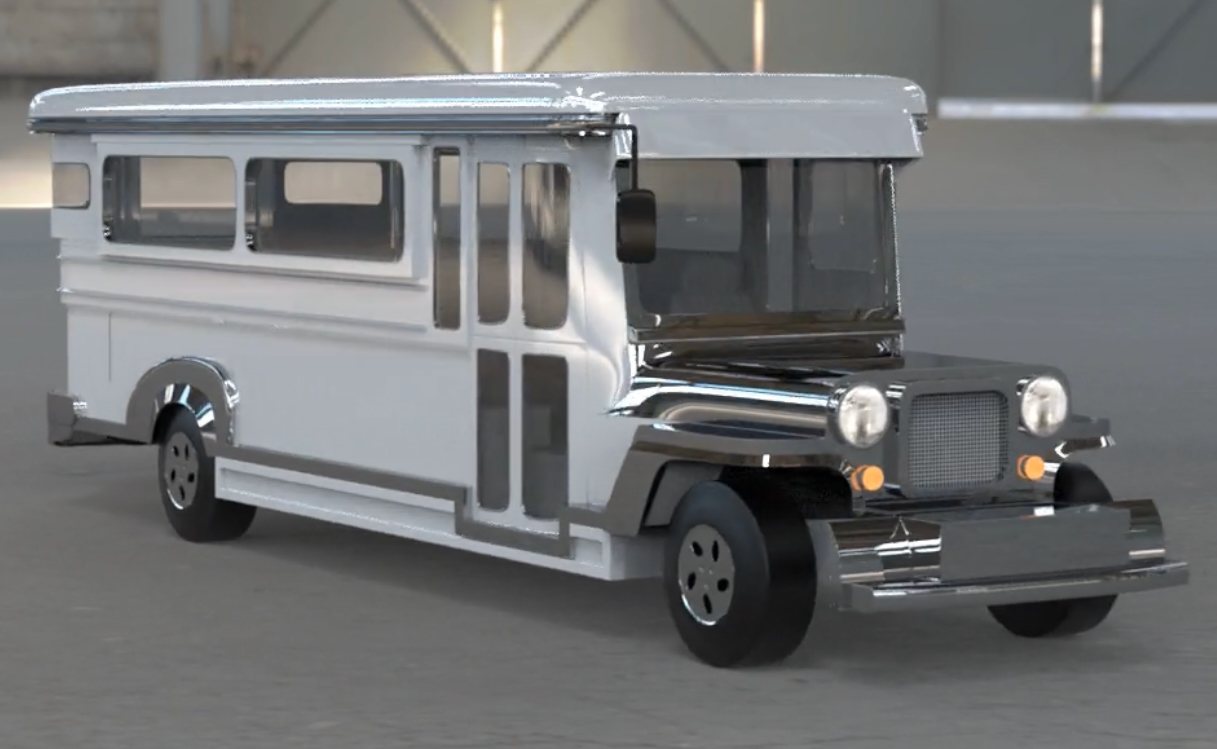 2023
3D design model
The Francisco Jeepney was built as a full 3D design model, shown here on May 6, 2023, from the classic body lines to the chrome front end.
See the model → -
By 2024
A global partner network
Francisco Motors grows into a platform of partnerships and projects:
- Partnership with UnionBank on blockchain
- Listing of the eFMC token on the Global Hydrogen Exchange (HDEX)
- Development and mass production of the Luft Pinoy eVTOL, powered by hydrogen fuel cells
- Carbon credits and green hydrogen production with Maharlika Carbon and the Luntian Movement
-
2025
Manufacturing goes global
Francisco Motors LLC, a Delaware-registered mobility company with 79 years of legacy, 250,000+ vehicles built and three generations of trusted operator relationships, was established as the US entity, securing the company's IP and trademarks as part of its plan to shift manufacturing to the United States. Vehicles and chargers are manufactured in China, with R&D and manufacturing in Los Angeles and PEZA special economic zone localization in the Philippines.
-
May 2025
DTI-CITEM's official sustainable mobility partner
At IFEX Philippines (May 22 to 24, 2025), Francisco Motors served as the official sustainable mobility partner of DTI-CITEM for the International Food Exhibition and Sustainability Solutions Exchange.
-
By 2025
Transport groups on board
Francisco Motors signed MOUs with the biggest transport groups in the country, including FEJODAP, ACTO, ALTODAP, LUZVIMINDA and TUBOJODA, and over 1,700 transport cooperatives nationwide.
-
2026+
Mobility operating system
Francisco Motors evolves into an automotive technology, infrastructure, finance, insurance, and data platform.
-
2047
FMC 2047
The goal: eliminate 100% of carbon emissions from public transport across FMC nations by 2047.
Three generations
The baton, passed down.
The passing of Jorge and Fernando marked the end of the first generation. The company has been carried forward by the family ever since.
Anastacio, Fernando & Jorge Francisco
The brothers who formed Francisco Motor Corporation in 1947. Anastacio pioneered the Anfra, the 85% Philippine-made vehicle, honored after his passing.

Elmer Francisco
Son of Jorge. The baton passed to him, and he now serves as Founder & Chairman.

Dominic Francisco
Son of Elmer. Co-Founder, President & CEO.
Watch
Chairman Elmer Francisco on the Francisco Motors story.
An official Francisco Motors video with Chairman Elmer Francisco, tracing the company's history from the classic King of the Road to today's electric mobility platform.
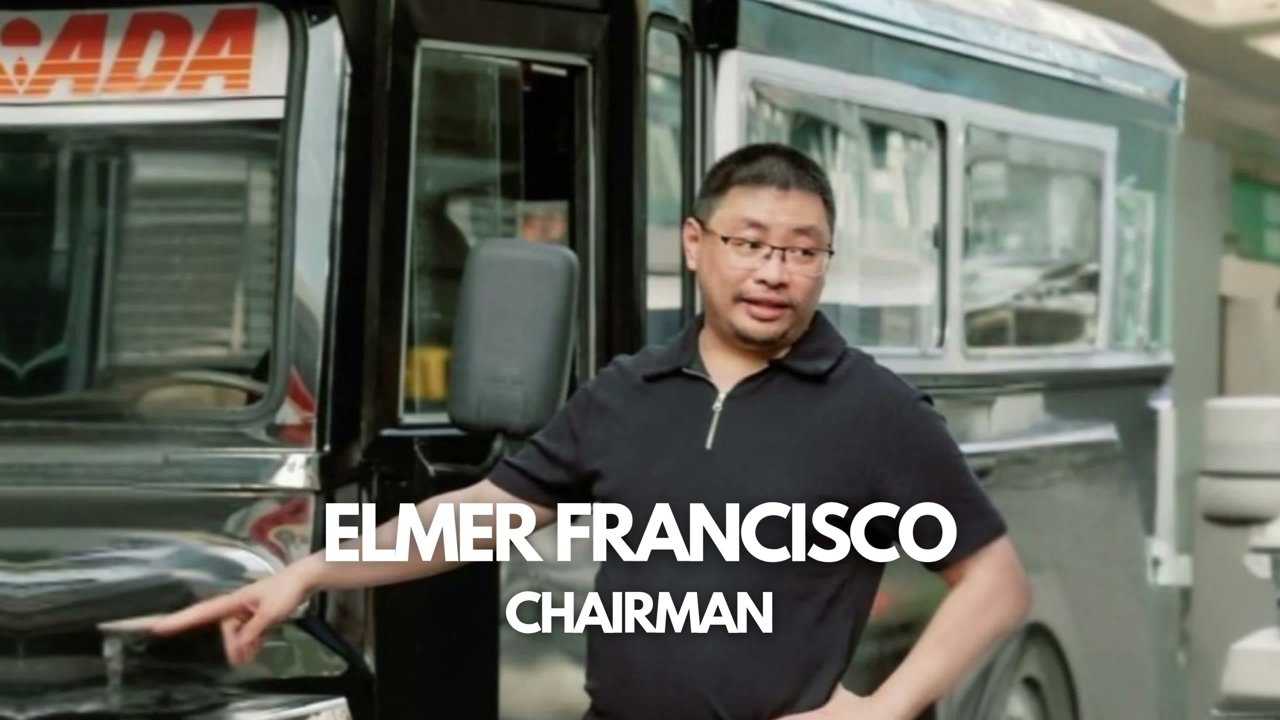 The Francisco Motors story · Chairman Elmer Francisco
Then vs Now
From vehicle icon to mobility infrastructure.
1947 → Today
Then — Classic Francisco Jeepney
Hand-built Filipino automotive icon serving commuters, operators, drivers, families, and communities for generations.
- Public transport identity
- Local manufacturing heritage
- Filipino design language
- Route-based livelihood
Now — Smart New Energy Mobility Platform
Electric vehicles, hydrogen systems, fleet intelligence, payments, financing, insurance, energy hubs, and AI-powered operations.
- EV and hydrogen platforms
- Jeepney.io digital engine
- FMC Hubs as real assets
- Data-driven financing and insurance
The New Francisco Motors
Automotive Tech + Real Estate Tech + Insurance Tech + FinTech.
Francisco Motors is becoming a full-stack mobility platform. Vehicles are only the deployment layer. The deeper value is in infrastructure, data, payments, financing, protection, and network control.
Automotive Tech
Electric jeepneys, vans, tricycles, hydrogen buses, rolling chassis, and future eVTOL platforms.
Real Estate Tech
FMC Hubs as charging, service, delivery, training, insurance, financing, and energy infrastructure nodes.
FinTech
Jeepney.io wallet, payments, closed-loop credits, vehicle programs, and transport transaction rails.
Insurance Tech
Data-driven protection for vehicles, batteries, operators, drivers, passengers, routes, and hubs.
AI + Data
Fleet intelligence, maintenance prediction, navigation, energy optimization, credit scoring, and route analytics.
Energy Tech
Charging, battery swapping, hydrogen readiness, renewable power, and decentralized clean-energy systems.
The Next Era
The King of the Road is becoming the operating system of emerging-market mobility.
Francisco Motors is not trying to look like a startup. Francisco Motors is a heritage automotive company being rebuilt as a serious technology, infrastructure, finance, insurance, and energy platform.